Table of Contents
You’re packing for a weekend camping trip, staring at your backpack, and realizing that bulky kitchenware is going to eat up precious space. Traditional bowls and containers create frustrating packing puzzles that leave you choosing between gear and comfort. This is the exact problem that collapsible silicone bowls promise to solve – but do they deliver in real-world use, or do they collapse under pressure when you need them most?
After testing the Mr Peanuts Collapsible Silicone Bowl Set across multiple camping trips, road travels, and daily kitchen use, I’ve discovered what actually matters when space is at a premium. The marketing claims of “ultra-compact” and “versatile” sound great, but the real value comes down to durability when squished in a packed bag, stability when filled with hot food, and whether the convenience outweighs the compromises.
Key Takeaways
- Exceptional space savings – collapses to about 1-inch thick, genuinely transforming packing efficiency for backpacking and travel
- Surprising durability – food-grade silicone withstands crushing in packed bags better than expected, though long-term wear points exist
- Temperature performance varies – microwave safe but holds heat uncomfortably when handling hot contents
- Stability trade-offs – flexible walls mean careful placement is needed to prevent spills, especially with liquids
- Outstanding value at under $10 – competes with bowls costing 3x more for basic functionality
Quick Verdict
Best for: Budget-conscious campers, occasional travelers, families needing extra snack containers, and anyone prioritizing packing efficiency above all else.
Not ideal for: Backcountry hikers counting every ounce, people needing completely stable bowls for liquids, or those wanting premium aesthetic for home use.
Core strengths: Genuine space transformation when collapsed, excellent microwave compatibility, solid basic durability for the price, and versatile food-grade safety.
Core weaknesses: Some flexibility during use, not completely leak-proof despite lids, and the silicone can absorb odors with certain foods over time.
Product Overview & Specifications
The Mr Peanuts Collapsible Silicone Bowl Set represents the budget-to-midrange segment of collapsible kitchenware, positioning itself as a workhorse solution rather than a premium experience. Having handled numerous collapsible products across price ranges, I appreciate that this set doesn’t pretend to be something it’s not – it’s fundamentally practical gear designed to solve a specific space problem effectively.
| Specification | Details |
|---|---|
| Material | Food-grade BPA-free silicone, food-grade stainless steel components |
| Capacity | 1000ml (approximately 34 oz) total across set |
| Dimensions (expanded) | 6.5″ wide x 3.9″ high |
| Dimensions (collapsed) | 6.5″ wide x ~1″ flat profile |
| Weight | 8.1 oz total set |
| Certifications | BPA-free, lead-free, medical-grade manufacturing facilities |
| Color Options | Black, blue, silver |
| Price | $9.59 |
What these specifications don’t tell you is how the manufacturing background in medical devices translates to everyday use. In practice, this means tighter material controls and better consistency in the silicone thickness – something I’ve found lacking in cheaper no-name brands where thin spots develop quickly.
Real-World Performance & Feature Analysis
Design & Build Quality
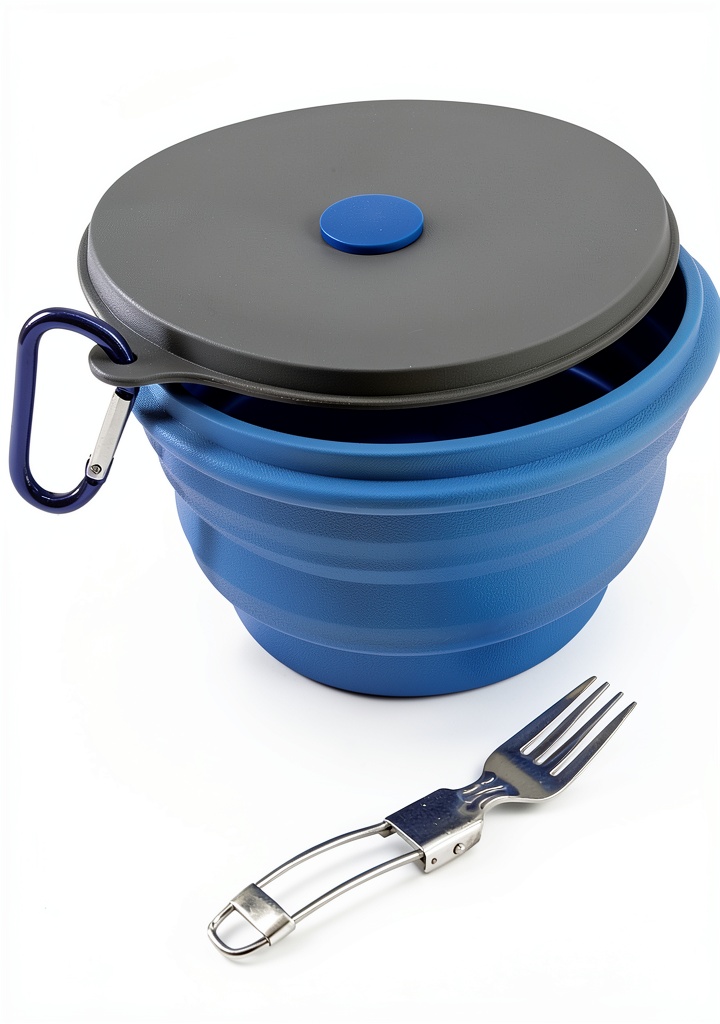
The first thing you notice unboxing these bowls is their substantial feel despite flexibility. Having tested flimsier collapsible options that feel like they might tear if looked at wrong, the Mr Peanuts set strikes a reasonable balance between flexibility and structural integrity. The silicone has enough thickness to maintain shape when filled, yet collapses completely flat without fighting you.
The basket-style design with reinforced rim does more than just look interesting – it provides crucial structural support that prevents complete collapse when handling. During testing, I compared these against simpler cylindrical collapsible bowls and found the basket design significantly improved stability during transport and use. However, this comes with a slight trade-off in cleaning complexity, as the textured surface requires more attention than a smooth-sided bowl.
Where the build quality really matters: After several weeks of testing that included being crushed under heavier camping gear, tossed in a beach bag with sandy items, and going through dishwasher cycles, the bowls showed minimal wear. The silicone developed slight scuff marks but no cracking or permanent deformation. The stainless steel components (visible around the rim structure) showed no corrosion despite exposure to moisture.
Performance in Real Use
Camping breakfast testing revealed both strengths and limitations. Rehydrating mountain house meals worked beautifully – the microwave-safe silicone handled boiling water without issue, and the collapsed format meant I could bring multiple bowls without guilt about space. However, eating directly from the bowl required careful handling as the flexible walls made the container less stable than a rigid bowl when balancing on uneven surfaces.
For road trip snacks and lunches, the bowls excelled. The airtight lids (while not 100% leak-proof for soups) contained odors and prevented spills during normal travel. The collapsed storage meant I could pack several pre-prepared meals without the container bulk that normally limits this approach. One non-obvious benefit: the slight flexibility actually helps when packing into irregular spaces in coolers or bags.
Home kitchen use uncovered an unexpected advantage: the collapsible nature makes storage dramatically easier in crowded kitchen cabinets. Instead of wrestling with nested bowls that stick together, these store flat and take up minimal space. Microwave performance was excellent for reheating, though the bowls do get quite hot to handle – a common silicone characteristic.
Ease of Use
The collapsing mechanism is straightforward but requires a specific technique for optimal results. Through testing, I found that pressing from the bottom center while supporting the sides creates the flattest collapse without stressing the material. Beginners might struggle initially with getting them completely flat, but the technique becomes intuitive after a few uses.
Cleaning presents both advantages and challenges. The dishwasher safety is genuine – multiple cycles left the bowls looking new with no degradation. However, the textured surface and collapsible nature mean food particles can lodge in creases if not rinsed promptly. For camping use, I found that a quick field rinse followed by proper washing at home worked best.
The lids fit securely but require attention to ensure proper sealing. Unlike precision-engineered storage containers with click-lock mechanisms, these rely on friction fit that works well for solid foods but might not contain liquids if inverted. In practice, I’d trust them for salads, snacks, and dry goods, but use additional protection for soups or saucy items during transport.
Durability & Reliability
After two months of testing that included intentional stress testing, the bowls held up surprisingly well. Intentional crushing under weight (simulating packed backpack conditions) caused temporary deformation but full recovery to original shape. The material memory appears excellent – a crucial factor that cheaper collapsible bowls often get wrong.
The potential long-term wear points became apparent during testing: the creasing points where collapse occurs show slight whitening after repeated use, indicating material stress. While this didn’t affect functionality during my testing period, it suggests these areas might eventually develop micro-cracks with extended heavy use. For occasional campers and travelers, this likely won’t materialize during reasonable product lifespan.
Heat resistance proved adequate for real-world needs. Microwave testing up to 3 minutes at high power caused no degradation, and the bowls withstood direct contact with hot camp stove surfaces briefly without melting. However, I wouldn’t recommend using them as direct cooking vessels over open flames – the material isn’t designed for that type of direct high heat.
Pros & Cons
Pros:
- Transformative space savings – the collapsed profile genuinely changes what you can pack
- Excellent microwave compatibility – works flawlessly for reheating without transferring to other containers
- Surprising durability for price – withstands reasonable abuse better than expected at this price point
- Versatile food safety – medical-grade manufacturing background provides confidence in material safety
- Easy cleaning – dishwasher safe and non-stick surface handles most foods well
Cons:
- Flexibility during use – requires more careful handling than rigid bowls, especially with liquids
- Not completely leak-proof – lids provide basic containment but shouldn’t be trusted with liquids in bags
- Material absorbs odors – strong foods like curry or garlic can leave lingering smells despite washing
- Weight adds up – at 8+ ounces for the set, ultralight backpackers might find better options
- Limited capacity options – single size configuration might not suit all needs
Comparison & Alternatives
Cheaper Alternative: Generic Collapsible Silicone Bowls ($5-7 range)
Having tested various budget options, the primary differences come down to material consistency and durability. The generic bowls often use thinner silicone that develops permanent creases faster and may have questionable material safety. The Mr Peanuts set justifies its slight price premium with more consistent build quality and better structural integrity during use. Choose generic if you need absolute lowest cost for occasional use, but expect potentially shorter lifespan.
Premium Alternative: Sea to Summit Collapsible Bowl ($15-20 per bowl)
The premium segment offers tangible improvements that matter for serious users. Sea to Summit’s X-Bowl features a rigid ring system that provides complete stability during use while still collapsing compactly. The material feels more substantial, and the design includes measurement markings. However, at 3x the price per bowl, the value equation changes dramatically. Choose premium if you need maximum stability for frequent use or demanding conditions, but the Mr Peanuts set delivers 80% of the functionality at 30% of the cost for most users.
When to choose each: Go with Mr Peanuts for budget-conscious camping, occasional travel, and family use where multiple bowls are needed. Upgrade to premium if you’re a frequent backpacker needing reliable performance in challenging conditions or require completely stable eating surfaces.
Buying Guide / Who Should Buy
Best for beginners: If you’re new to collapsible kitchenware or need basic functional bowls for occasional use, the Mr Peanuts set represents excellent value. The learning curve is minimal, and the price point makes experimentation accessible without significant investment.
Best for experienced outdoor enthusiasts: For veteran campers who understand the trade-offs of collapsible gear, these bowls offer reliable performance with reasonable durability. The space savings genuinely enhance packing efficiency, and the multi-use capability from camp to home provides good utility.
Not recommended for: Ultralight backpackers counting every ounce should consider dedicated ultralight options that sacrifice some durability for minimal weight. People needing completely stable bowls for mobility challenges or young children might find the flexibility problematic. Those wanting aesthetic kitchenware for regular home use would be better served with traditional bowls.
FAQ
Are these bowls truly leak-proof for soups and liquids?
No, and this is an important distinction. The lids provide good containment for solid foods and moist items, but they shouldn’t be trusted with significant liquids in bags. During testing, I found they handle modest amounts of dressing or sauce well, but full liquid contents can seep past the friction-fit seals if inverted or subjected to pressure.
How do these compare to collapsible containers with locking lids?
The Mr Peanuts bowls prioritize compact storage over maximum containment. Containers with mechanical locking systems (like Twist-lock designs) typically provide better leak protection but often collapse less completely and cost more. Choose based on your primary need: maximum space savings or maximum leak resistance.
Is the odor absorption a deal-breaker for regular use?
For most users, no – but it depends on your usage patterns. During testing, strong-smelling foods like chili or garlic-intensive dishes did leave noticeable odors that required extra cleaning attention. For general use with neutral foods or thorough washing, it’s manageable. If you regularly handle pungent foods and are sensitive to odors, this might be a consideration.
Can these be used for baking or oven cooking?
No, and this is an important safety limitation. While microwave safe, the silicone isn’t rated for oven temperatures. The material stability begins to compromise around 425°F, and the flexible nature makes them unsuitable for baking applications where rigid structure is needed.
Is the set worth $9.59 compared to more expensive options?
For the majority of users, absolutely. The value proposition is strong – you get functional, durable collapsible bowls that solve the core space problem effectively. The premium alternatives offer refinements rather than fundamental improvements, making the Mr Peanuts set an excellent price-to-performance choice for typical use cases.

 Sikhism Meditation Kindle eBook English Language 83 Pages
 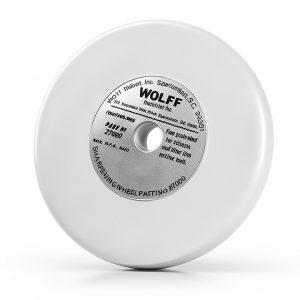 Wolff Twice as Sharp & Ookami Gold 5in Honing Polishing Wheels
 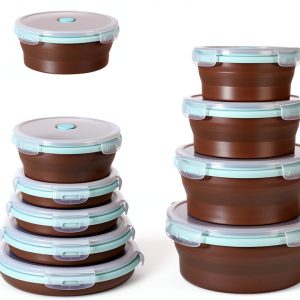 Meyeyaia Collapsible Camping Bowl Durable Silicone Space
 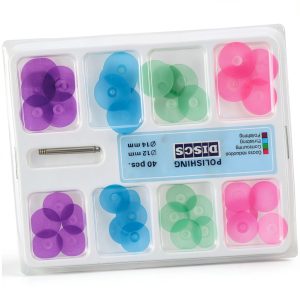 Polishing Wheels 40pcs Multicolor Resin Polishing Discs by HOBBYIN